Smarter Connectivity with eSIMs for Business
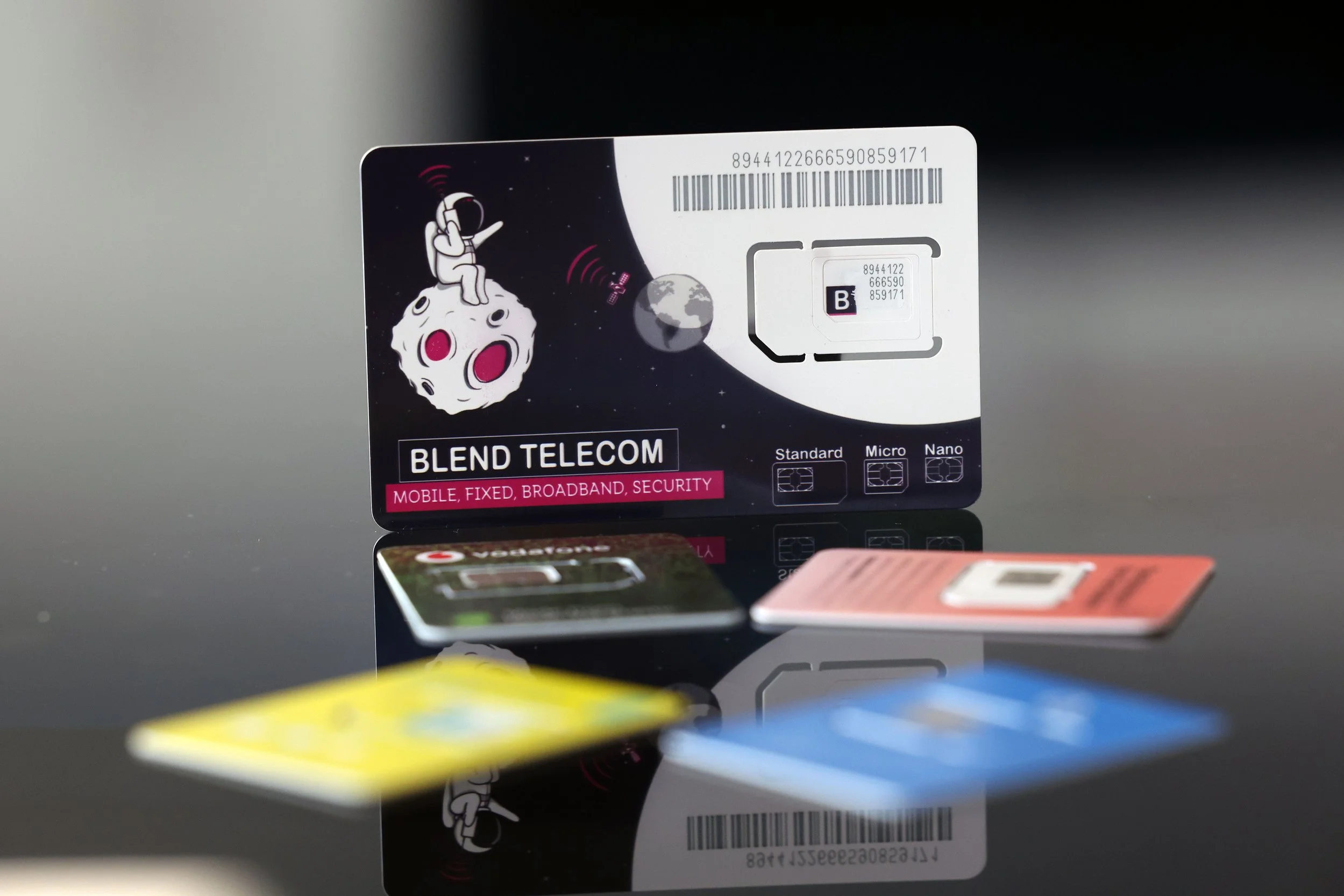
As businesses become more mobile, flexible and security-focused, traditional SIM cards are beginning to hold businesses back. Physical SIMs take time to deploy, can be difficult to manage at scale and often create unnecessary costs when devices are lost, damaged or need reconfiguring. This is where eSIM technology offers a smarter alternative.
When combined with Deploy to Device (DTD) and Mobile Device Management (MDM), eSIMs give businesses complete control over mobile connectivity, from initial setup through to ongoing management, without the need to handle a physical SIM at any stage.
What is an eSIM?
An eSIM (embedded SIM) is built directly into a device, removing the need for a removable plastic SIM card. Instead of inserting a SIM, mobile connectivity is securely downloaded. For businesses, this means faster device setup, fewer delays, and greater flexibility when managing numbers and users. Most modern smartphones, tablets and laptops already support eSIM, making it a practical and future-ready option for businesses of all sizes. For companies already using or considering managed mobile services, eSIMs fit seamlessly into a modern business mobile strategy.
Deploy to Device (DTD): seamless, zero-touch provisioning
Deploy to Device (DTD) removes the manual steps traditionally involved in setting up mobile devices. With DTD, eSIM profiles can be pre-configured and automatically installed as soon as a device is powered on, without the device ever needing to pass through an IT department. This approach is especially valuable for businesses with remote or hybrid teams, multiple locations or regular onboarding of new staff. Devices can be delivered directly to employees, fully configured and ready to use from day one. As a result, businesses save time, reduce setup errors and ensure every device is deployed consistently.
Mobile Device Management (MDM): control, visibility and security
When eSIMs are paired with Mobile Device Management (MDM), businesses gain a much deeper level of control over their mobile estate. MDM allows organisations to manage devices centrally, enforce security policies, control access to apps and data, and respond instantly if a device is lost or stolen. Because eSIMs are software-based, changes can be made remotely and in real time. Numbers can be reassigned, services suspended or connectivity updated without the need to replace hardware or SIM cards. This creates a more secure, responsive and efficient mobile environment, particularly for businesses handling sensitive data.
Why eSIM, DTD and MDM work so well together
Individually, eSIMs, DTD and MDM each offer clear benefits. Together, they create a modern mobile framework that supports faster deployment, stronger security and effortless scalability. Businesses can roll out devices in minutes rather than days, adapt quickly as teams grow or change, and reduce the operational burden on internal IT teams. This approach also delivers long-term cost efficiencies by removing the need for physical SIM handling, engineer visits and manual reconfiguration. Most importantly, it gives businesses confidence that their mobile connectivity is robust, secure and ready for whatever comes next.
Supporting flexible and remote working
Flexible working is now a permanent part of the modern workplace, and mobile connectivity needs to support that shift. eSIM-enabled devices managed through MDM allow employees to work securely from anywhere, while businesses retain full oversight and control. Whether staff are working from home, travelling or moving between sites, connectivity remains consistent and secure. For organisations embracing flexible working models, this level of control is essential.
A more sustainable and flexible approach to connectivity
eSIM technology also offers clear environmental and operational advantages over traditional SIM cards. By removing the need for plastic SIMs, packaging and physical distribution, businesses can significantly reduce waste and lower their carbon footprint. Millions of plastic SIM cards are still produced and shipped globally each year, and moving to eSIM removes the environmental impact associated with manufacturing, packaging and delivery.
From a practical perspective, eSIMs also eliminate delivery costs and delays. There’s no need to post SIM cards to offices or remote employees, saving both time and money while allowing connectivity to be activated digitally, instantly and securely, wherever a device is located.
eSIMs bring real flexibility to everyday business scenarios. If a device is lost or stolen, a new eSIM profile can be deployed immediately without waiting for a replacement SIM to arrive. For international teams or frequent travellers, eSIMs can also be used as a secondary SIM, making it easy to switch to a network with more competitive roaming tariffs without changing devices. When combined with Mobile Device Management (MDM), eSIMs fit seamlessly into existing device policies, allowing businesses to manage connectivity, security and usage centrally across their entire mobile estate.

As manufacturers continue to move away from physical SIM slots, eSIM is quickly becoming the standard rather than the exception. Some newer devices are now eSIM-only, such as the iPhone 17 Air, making digital connectivity essential for future device rollouts. Adopting eSIM now ensures businesses remain compatible with modern hardware while building a more sustainable, secure and flexible mobile strategy.
Is your business ready to move to eSIM?
Moving to eSIM technology is about more than replacing a SIM card. It’s a strategic step towards simplifying mobile management, improving security and future-proofing business communications. With the right solution in place, businesses can reduce deployment times, improve visibility and maintain complete control over their mobile estate. If you’re planning a device rollout, supporting a remote workforce or looking to modernise how mobile connectivity is managed, eSIMs combined with DTD and MDM offer a smarter, more efficient way forward.
Contact us to book your free technology audit today.