Why VoLTE Matters More Than Ever for Your Business
With the UK’s 3G network now switched off, the way your business handles voice calls has fundamentally changed, whether you’ve noticed it or not.
If your SIM doesn’t support VoLTE (Voice over LTE), your calls are now falling back to 2G. That means lower call quality, slower connection times, and a less reliable experience overall. For businesses that depend on clear and consistent communication, that’s a risk worth paying attention to.
What is VoLTE?
VoLTE stands for Voice over LTE, a technology that allows voice calls to be carried over 4G LTE mobile networks instead of older 2G or 3G networks.
Historically, when a mobile phone made a call, it would drop down from 4G data to an older network to complete the call. VoLTE removes this step by allowing voice to travel directly across the 4G data network.
This improves both efficiency and call performance. Calls can connect faster, audio quality is typically clearer, and devices can remain connected to data services during a conversation.
For organisations deploying modern mobile solutions, including business mobile connectivity, VoLTE helps deliver a smoother and more reliable user experience.
The hidden problem with multi-network SIMs
Multi-network SIMs have become increasingly popular, and for good reason. The ability to connect to different networks depending on signal strength sounds like the perfect solution.
But this is where things can be misleading.
Many multi-network SIMs either don’t support VoLTE at all, or only support it on certain networks. That means even if your SIM is capable of VoLTE, you may not actually be using it at any given moment. If your device connects to a network without VoLTE support, your calls will still drop back to 2G.
So while the idea of “multi-network” sounds reassuring, it doesn’t always guarantee the level of performance businesses expect.

How Blend Telecom is different
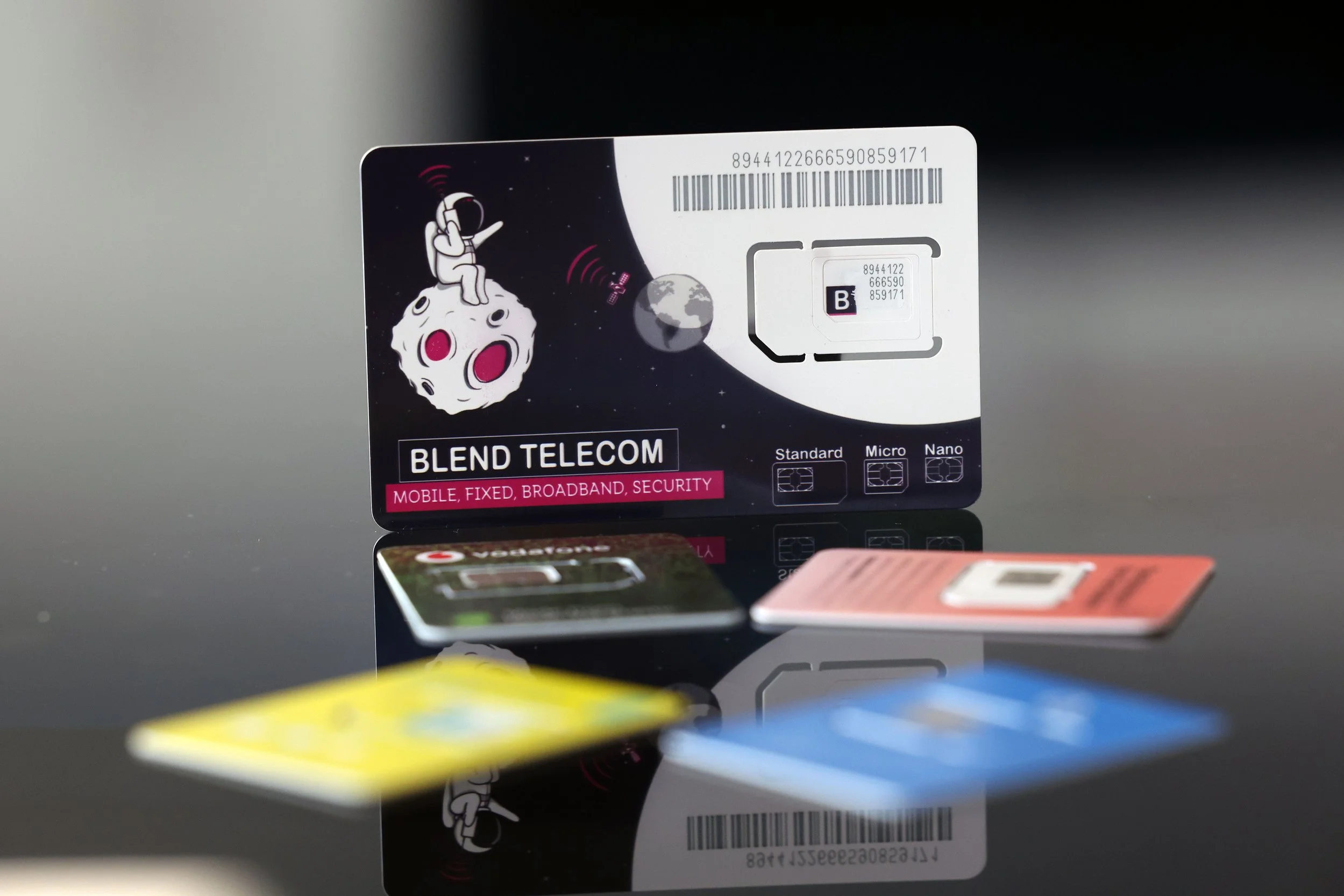
At Blend Telecom, we’ve taken a different approach. Our Platinum SIM has been designed to support VoLTE across all four UK networks. That means wherever you are, and whichever network you’re connected to, you can rely on consistent call quality and performance.
There’s no fallback to older networks, no sudden drop in clarity, and no uncertainty about whether your calls will connect as expected. It simply works, the way business connectivity should.
Why this matters now
This shift has become far more important since the switch-off of 3G. Without VoLTE, many businesses are unknowingly relying on outdated 2G networks for voice calls.
Over time, that creates issues, not just with quality, but with reliability and overall efficiency. Calls take longer to connect, conversations become less clear, and communication becomes something you have to think about, rather than something that just works. VoLTE isn’t just a feature anymore. It’s quickly becoming essential.
Cardiff’s best kept secret

While mobile connectivity is evolving, so is broadband, particularly here in Cardiff. A new broadband service is being rolled out across the city, and it’s quickly becoming one of Cardiff’s best kept secrets. Blend Telecom is proud to be a partner in delivering this to local businesses.
This isn’t just about faster speeds. It’s about providing a level of reliability and performance that modern businesses need, backed by the same simple, supported approach we bring to everything we do.
At Blend Telecom, our focus is always the same, making connectivity simple. Whether it’s ensuring your calls stay clear with multi-network VoLTE, or helping your business benefit from next-generation broadband in Cardiff, everything is designed to work together seamlessly.
No unnecessary complexity. No compromises. Just connectivity that supports your business properly.
If you’re unsure whether your current SIMs or broadband are future-ready, now is the right time to take a closer look.
A small change today can make a big difference to how your business communicates tomorrow.
Contact us to find out more.